Home

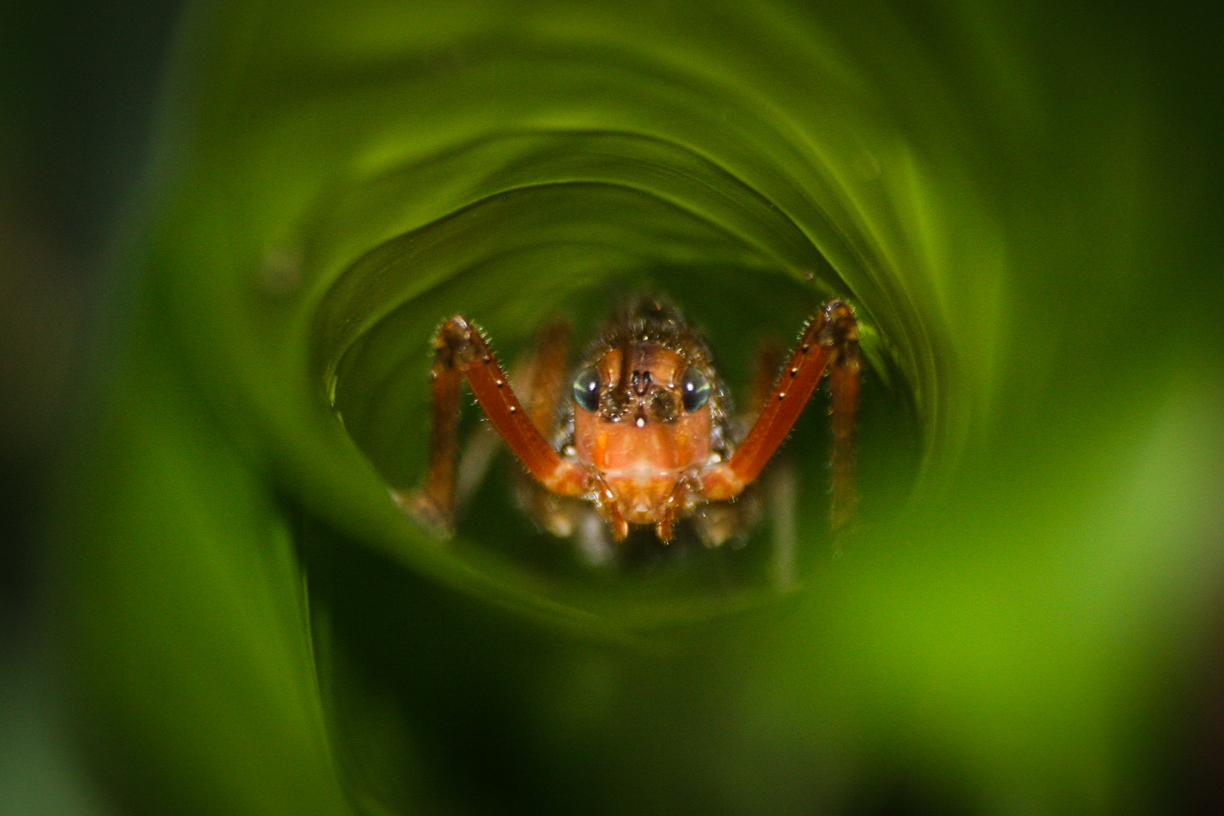
Photo of the week: Grasshopper enclosed by leaf

A grasshopper hides in a twisted leaf in the dark undergrowth beneath the primary rainforest canopy in the Ecuadorian Amazon

I have chosen this image as my photo of the week because it encapsulates the inquisitive mind of the wildlife photographer. It was taken on a jungle trek in Coca, Ecuador. Alistair happened to spot the curled up leaf in the sparse ground level foliage of the primary rain-forest and thought ‘what a great place for an insect to hide.’ Not knowing what to expect, he focused his lens inside the leaf, took a quick shot and hastily retreated. Unbeknown to us, in the centre of the leaf was a grasshopper, rudely awakened by the inquisitive lens and quite surprised by our presence.

It’s a great shot that captures a rare glimpse into the world of insects and provides a rare close up of a species which often lies undetected in the pursuit of big game and wild mammals.

I was immediately surprised by the beauty of the grasshopper. Its colouring and intricate jewel like patterns are details the eye would rarely have a chance to capture. It opened our eyes to the world of inserts and macro photography which has since led us to pursue photography opportunities across the world, from ants in Kenya to tarantulas in the cloud forests outside Quito.
New photobook now available: arctic highlights

“At last!” I cry! After weeks of photo editing, writing copy and developing the templates for the photobooks we’re there.

I have been so excited to launch this book. I really hope it’ll bring back fond memories for our ship mates on the MS Expedition – and I also hope that it’ll inspire people to visit the wonderful Arctic regions.

It was a privilege to spend time in Greenland and Svalbard and I am delighted that we’ve been able to document the trip with our photography. What’s more, I have really enjoyed creating this book and the narrative around the images. It has enabled me to relive our adventures and hopefully bring to life the outrageous scenery, jaw dropping wildlife encounters and mesmerising Northern Lights.

The book is now available for sale though Blurb – and a full preview of the entire book is available on our website. We invite you to take a look and let us know what you think. It’s £23 UK, and approx $37US.

It’s a compact but comprehensive book – an alternative to the larger coffee table books we usually produce – though a coffee table version will follow in due course.

For me, the book and images within can be summed up by lyrics from a favourite sea shanty of mine by Jim Payne, an expedition crew member on our trip…

“I’ve been the world over, north, south, east, and west
But the middle of nowhere’s where I like it best”
(Jim Payne, Wave over wave, SingsongInc)

New photo gallery now available – Istanbul / Turkey

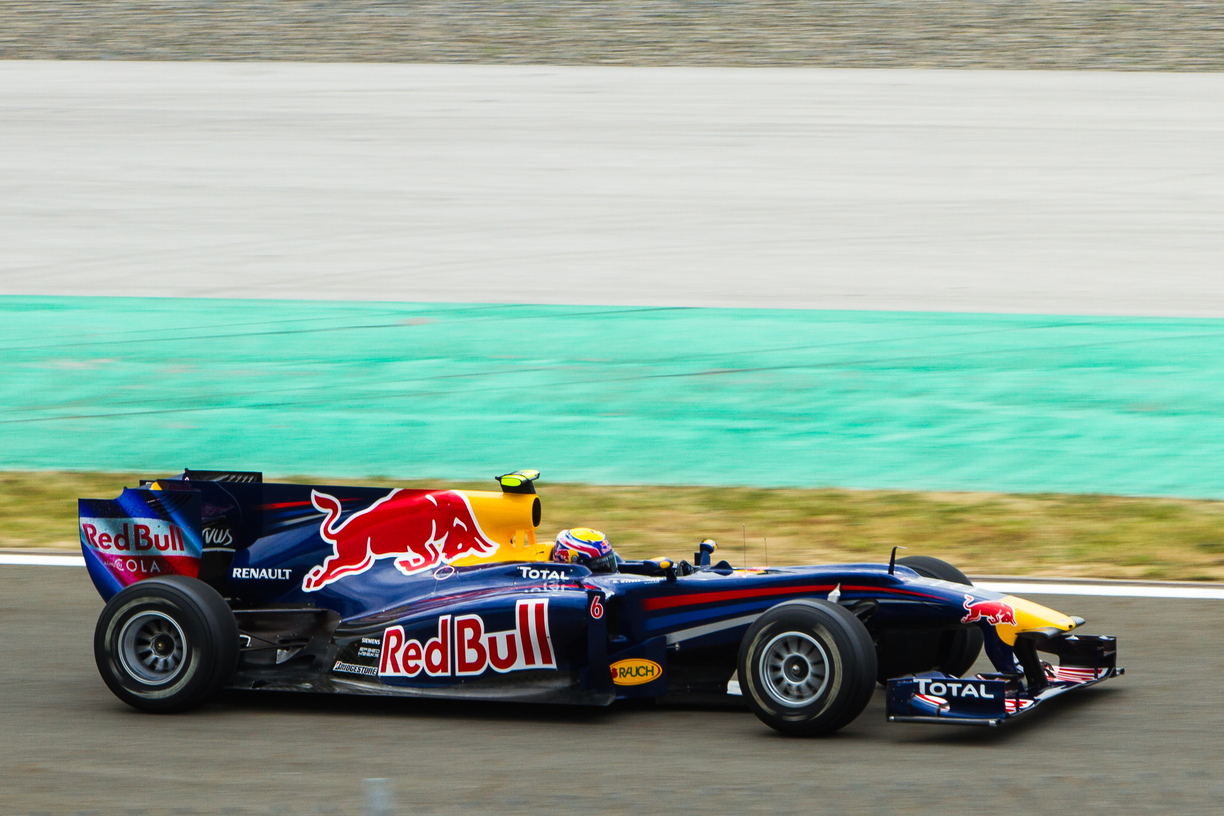
Mark Webber driving the Red Bull RB6 during the Turkish Grand Prix 2010

We’ve recently posted pictures from our trip to Istanbul earlier this year. Whilst there we were lucky enough to attend the Turkish Grand Prix – a real challenge for a photographer. We spent two days trackside, grappling with 30 degree temperatures to get some shots of the drivers as they flew by. The challenge was to get a sharp, clearly focussed shot of car moving in excess of 150mph (often more), through crowds, barriers and mesh fencing.

We positioned ourselves next to the first corner – knowing that the cars would not be at full speed and therefore we had a better chance of scoring a winning shot. We also positioned ourselves at the exit of the pit lane – ensuring that we could get shots of the cars moving at vastly reduced speeds at 60mph.

With cameras on servo, F8 and by using a Cannon L 100-400 zoom lens, no tripod, we set the fastest ISO possible (100) in the midday sunshine and practised taking shots as the cars flew by. The trick is to move your camera with the subject and anticipate where the best shot can be taken on the circuit. By panning from left to right with the camera, we stood a better chance of the servo engaging on the subject for longer and grabbing that vital shot of Mark Webber and Lewis Hamilton on a flying lap. It’s a technique we’ve practiced when tracking flying birds – albeit at a much slower pace.

Also in the Turkish gallery, are shots taken around old Istanbul city – on the European side of the Bospherous. I especially like the ‘nice baubles’ shots – fun and colourful, items we wouldn’t normally focus our attention on, but which encapsulate the stalls of the Spice Market and Grand Bazaar.

Photo of the week: ‘Yes, I am’

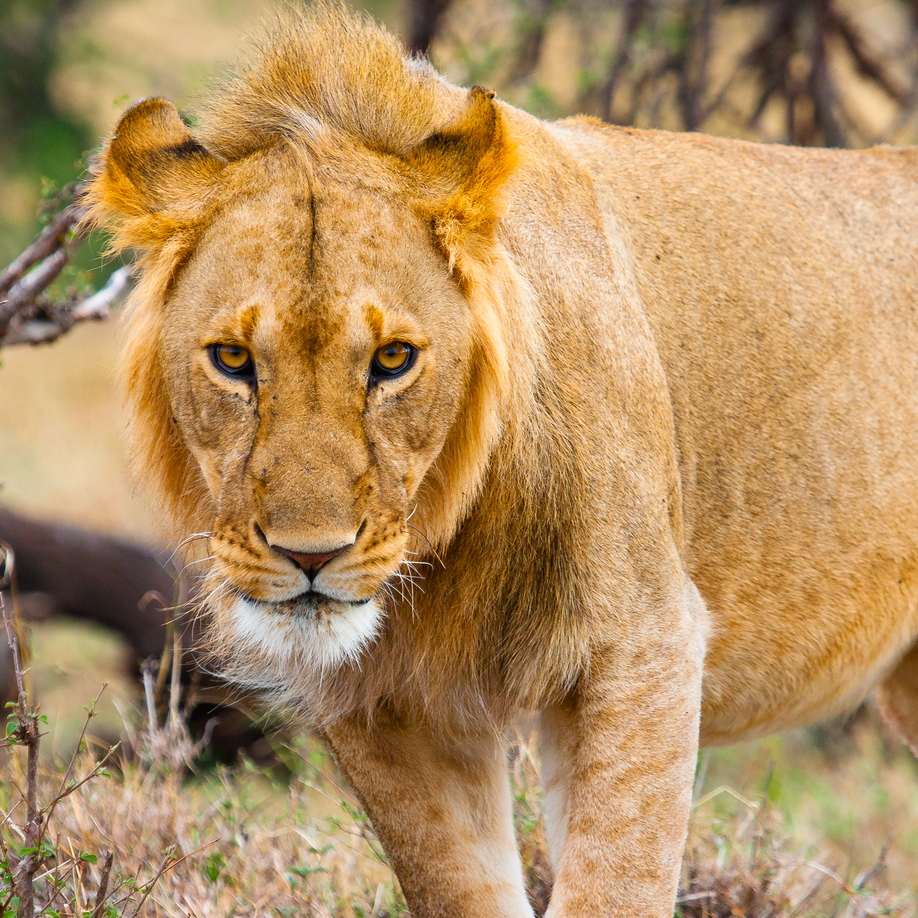
Yes, I am

Whilst working on a new photobook about Africa’s wildcats I stumbled across this picture. Of course I recall the picture, but when I placed it in the book I felt like I was really only seeing it for the first time.  I have traditionally overlooked this shot in favour of the more obviously stunning close up shots like ‘I have seen tomorrow’ and ‘Intention,’ but when reviewing this image more intensely last night I grew to love the intensity of the lion’s gaze and was drawn to notice the slightly bedraggled look he has, courtesy of his juvenile mane.

If you ponder on the image for a while, the initial quizzical look of the lion is replaced by a dawning realisation that the gaze is held with a sturdiness and regard for the photographer which is second only to his thoughts of where lunch is coming from. There is danger in the eyes of the lion, but one that’s tempered by his juvenile looks and stance. He lacks the anger and raw passion as demonstrated in ‘Intention’ but you are left with no doubt that this lion is a force to be reckoned with – a truly wild animal.

This image was taken with the Canon EOS 30D at 300mm using a Canon Lens, at ISO 200 and F/5.4 in the Olare Orok Conservancy, Kenya.

Photo of the week: Me, Mirrored.

Me, Mirrored

I have chosen this as my photo of the week because it’s one of the shots that inspired us to go down a whole other line / style of photography. In the event that it’s not immediately apparent – what you’re looking at is a shot of Ali reflected in the pupil of a husky dog, taken during our week long dog sledding trip in Finland.

This shot inspired us to trial a more macro style of wildlife photography. This has challenges in itself as much as it requires either high quality and high zoom lenses – or the chance to get up close and personal with animals / our subjects. This is something that I took on myself, as a personal project, choosing to focus on the catch light in the eyes of captive and wild animals in an effort to capture the closeness of nature and the intensity of emotional connections between human and animal.

The project took us to zoos, farms, gardens and wildlife parks across the UK and we’ve also included some shots from wildlife holidays overseas. The majority of these shots are, however, from the UK, demonstrating how you can hone your skills without the need for expensive travel.

The results of this 3 year project have been captured in a photobook produced by Alistair and myself, called ‘Glimpses from another world.’ The book can be previewed on this website by clicking on the following link https://blog.tarajiblue.com/books/

Camera envy – it’s a dangerous thing

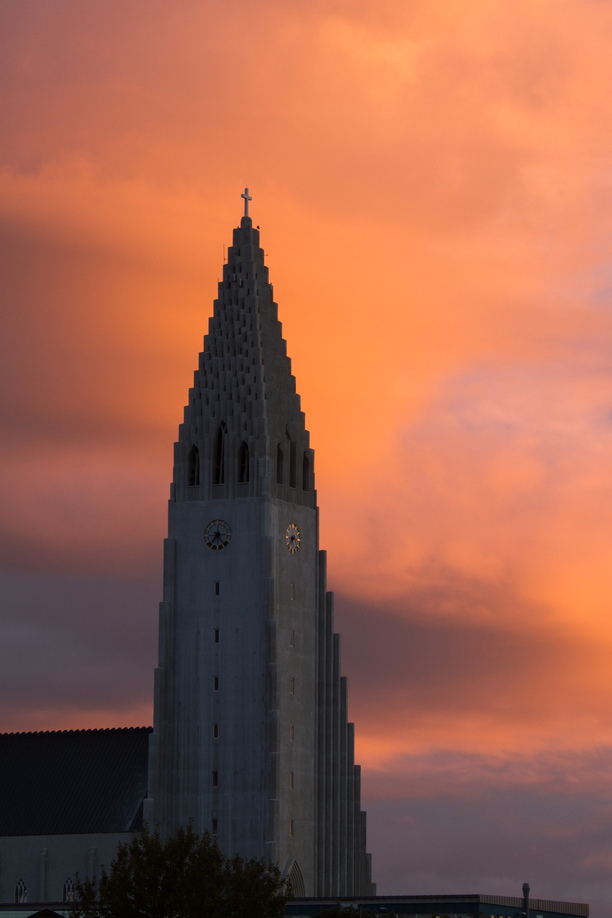
Hallgrímskirkja church nestled between sunset and Reykjavik nightrise

Now bear in mind how I’ve said in previous blog posts that I have loved using my camera – the Canon EOS 40D – and what great shots we’ve been getting with this and the Canon 28-300mm L.  Well, I made the mistake of trying the Canon 7D in Reykjavik on a beautiful evening during a stunning arctic sunset. The difference between cameras is immediately measurable . The 7D is heavier (that’s the downside upfront), but the quality of image produced and the quality and size of the image on the camera screen is immediately apparent.

There is more flexibility in terms of auto focus points and settings and the presence of the video functionality is a huge bonus.

Now I tend to be the video operator on holidays, in charge of ensuring we get quality and a range of footage to create our wildlife and nature documentaries when we return home.  We have a Panasonic HDC-SD100 which is a relatively new investment (2 years ago) and this has served us well. However, the brief use of the Canon 7D video functionality blew this out of the water for me. The quality of the footage, the ability to choose independent focus point(s), exposure compensation and ISO whilst recording removed lots of challenges I have faced with the Panasonic video camera and allowed me to be more flexible in my recordings. It’s caused me to challenge the way I think about shooting video footage and has caused a wee bit of camera envy, which is a dangerous and expensive thing!

Watch and experience vs life through a lens.

Marie with Arctic Fox

The wise and experienced expedition crew advised us to ensure that we didn’t go home having seen the Arctic through a lens only – they said we should make sure we took time out to relax in the scenery, experience the wilderness of the landscape without the worry of technology and experience wildlife sightings with our eyes opposed to lenses. Easier said than done! Though we did try, and are better people for it.

It sounds a bit regimented, but Alistair and I found that by defining our (photography) roles each day, we knew who would be framing and taking what pictures, and who could ‘relax’ when the prime sightings happen. Take for example, whales off the bow of the ship – a ‘wide angle’ 28-300 lens allowed me to zoom into the whales or dolphins when up close, allowing Ali to watch (as the 100-400 zoom’s minimum focus distance would not capture the shot), whilst a distant sighting of a polar bear allowed me to watch and observe whilst Alistair to extend to 400mm to capture the shots as required.

On location we’d also frequently discuss who would be taking video footage and of what, when so we knew not to double up on video or photography efforts.

Also of benefit is a remote release for the camera – allowing us to set up shots and time lapse whilst we enjoyed the scenery around us. This was especially useful for the Aurora Borealis (see separate blog post on capturing the Northern Lights).

Capturing the Northern Lights

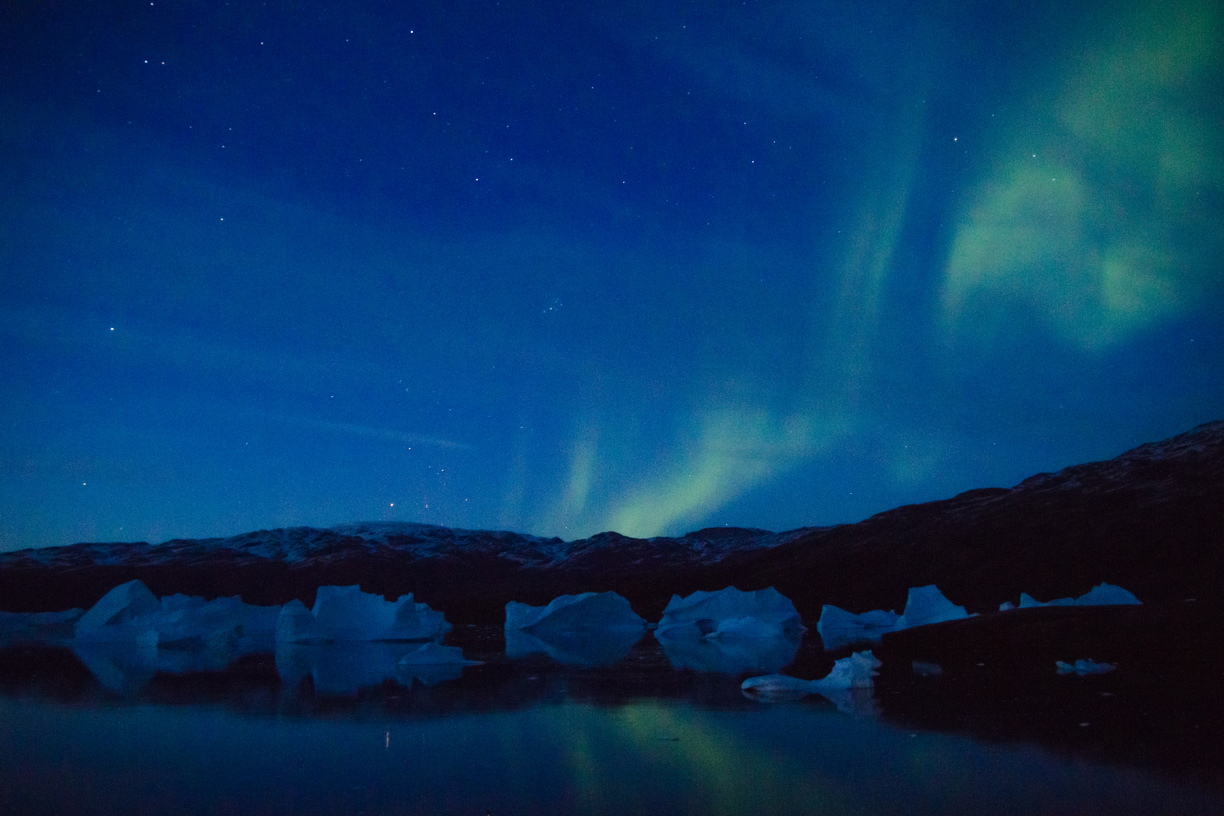
Curtains of green aurora borealis twist over the icebergs and mountains of Rypefjord, Greenland

So revered and so anticipated, the Northern Lights were a highlight of the trip and fulfilled a lifelong ambition for Alistair and I.  We were privileged to see them two nights in a row, on three separate occasions. I must confess that Alistair was the key photographer during these episodes, I tried to video the Aurora with mixed results.

Working with the Canon 7D allowed a maximum ISO 12800, but we worked at 1600 ISO for the aurora with 1.6-2.3s shutter speed. Setting the focus to near infinity and using a remote release and tripod, Ali captured some stunning shots of the Aurora – the camera often capturing what the eye could not.

What we nice, was to be able to share our knowledge and success with the rest of the passengers – allowing them to alter their camera settings and capture some good shots of the aurora on the second night. We were rewarded with many hugs – but no free drinks, alas! 😉

Photo of the week: A Norwegian Landscape

A Norwegian Arctic Landscape
I really like this picture because, to me, it’s the epitome of Arctic Norway. Huge mountains that reach down to water and arctic tundra that both surprises and delights in its autumn colours.

It was taken in the most unlikely place – at the end of a main road in Longyearbyen – a ramshackle but lovable Arctic Town with a strong coal mining history. I like it because it catches the beauty of a place that’s all too often overshadowed by the urgency to see polar bears and the Northern Lights.

I love the colours and the detail in the reedbed and the way the snow topped mountains are just starting to reflect in the pool of water. In the distance are two disused huts on the waterline – they add a little extra interest to the picture, and help to provide scale for the dramatic mountain backdrops.

It’s a shot we’d normally overlook in favour of the wildlife – but I’m glad our itinerary gave us time to reflect on and enjoy the landscape. That’s why this is my photo of the week.

Photographing ice

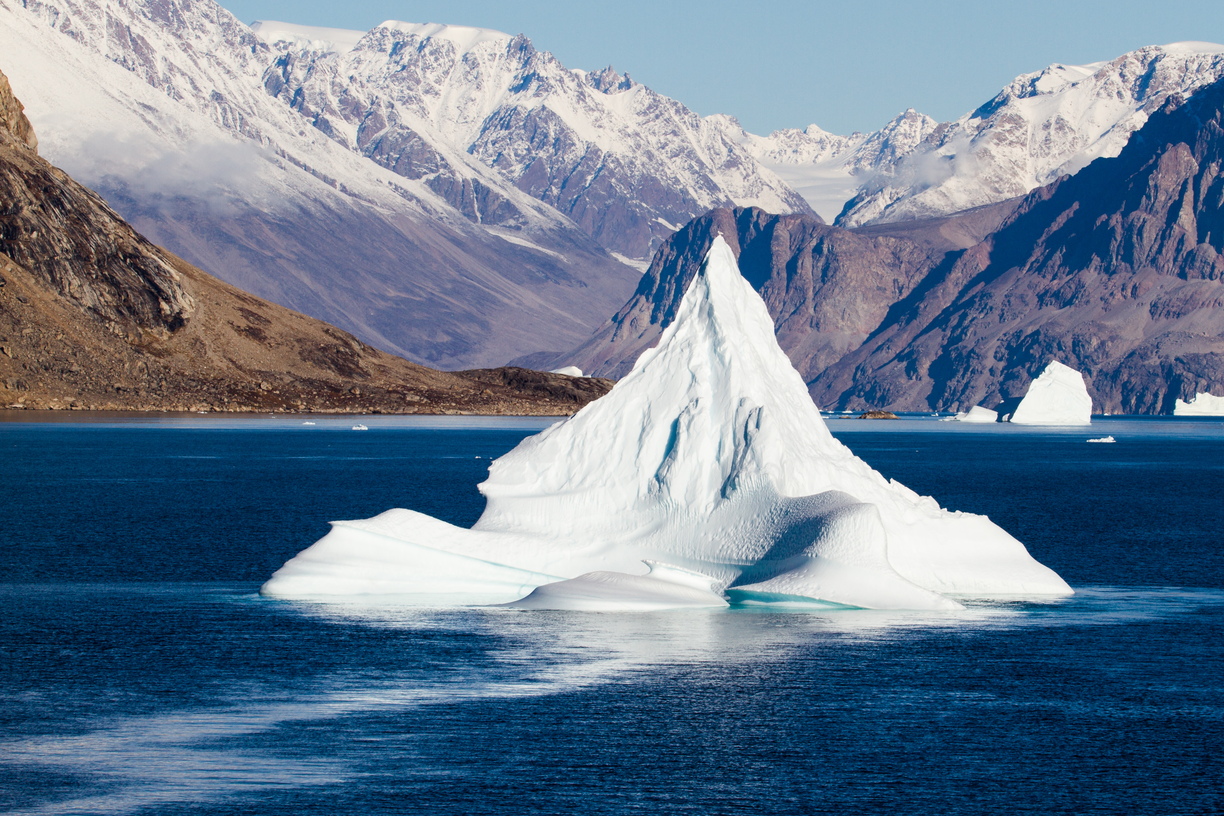
A tiny gull rests on top of a pyramidical iceberg off the shores of Ø fjord, Eastern Greenland.

Greenland was a challenging place to photograph ice – though I recall us being a lot less concerned about white balance and exposure compensation here compared to when we went to Antarctica.

The challenge comes from Greenland’s unusual landscape – the fact that huge hulks of ice are framed by dark snow topped mountains in Scoresby Sund. You therefore need to compete with bright sunshine, huge bulks of white ice, dark mountain backgrounds, reflective blue waters and a cloud patched sky. What’s more, you’re often rolling with the waves as you sail in rubber zodiacs, and are subject to the ebb and flow of the sea. We found it most reliable to work at exposure compensation -1 (knowing that we could always boost the exposure post production if need be), work on the highest ISO possible (without noise) to ensure that you capture the shot opposed to photographing blur and shoot at aperture 8 (to capture depth and detail in the forefront of the shot).

What is possibly most difficult is imparting a sense of scale into your photos. A 200 foot iceberg does not look as vast or substantial when captured in a single shot. Without a ‘sense of perspective’ (such as the ship, a zodiac or a passing bird), you run the risk of minimising your landscapes through the shots you take. It’s a difficult compromise, as many of us try for the pristine wilderness shots – they show nature at its best, unimpeded by human settlement or visitation – but we need the humans in shot to show scale and give a focus to these natural wonders.