Home

Photo of the Week – Charles River, Boston

Upturned boats mirror the twin towers of Hancock and Prudential on the Charles River, waiting for the ice to dissolve and for Spring to come again.

Upturned boats mirror the twin towers of Hancock and Prudential on the Charles River, waiting for the ice to dissolve and for Spring to come again.

I have chosen this as my image of the week because it reminds me that our photography style and focus can grow and develop through the inspiration of others. When researching a trip to Boston we spent quite a bit of time on Flickr to review photos of the destination. In doing so we stumbled upon some beautiful shots of the Boston skyline across the Charles River at dawn. I loved the alternative viewpoint this provided and the serenity it provided the cityscape with.

Unintentionally, on a long walk back to the city from Harvard, we found ourselves outside MIT with this cityscape unfolding in front of us. I recalled the images we’d seen on flickr and set about trying to recreate a similar scene in the late afternoon sun.

I love the curve of the melting ice around the boats, and the autumn coloured leaves on the tres at the water’s edge. To me it’s a lovely juxtaposition of man made and nature – showing how, if the two work in harmony, they can co-exist and create a balance and harmony to an otherwise hectic American city.

The photo was taken with a Canon EOS 7D with hired wide Canon L angle lens, at focal length 11mm, f/14 and ISO 160.

Additional photographs from Boston are available in our online Boston photo gallery.


New Online Gallery Now Available: Cumbria & The Lakes

Morning Sun Over Cumbria's Sands

We have recently been on a field trip to Cumbria and the Lake District – largely to try out some new equipment we’d bought. This was my first outing with my Canon EOS 7D and our first outing with a Canon L f4-5.6, 70-300mm lens.

We opted for a weekend of landscape, wildlife and macro photography, to enable us to test out a range of photography styles, settings and environments. Unusually, for a November weekend in the UK, we were blessed with amazing weather – crisp mornings with bright sunshine and warm afternoons. This was great. The sunlight was an unexpected challenge, forcing us to rise early to make the most of the early morning light and calm seas. This is when I managed to capture the shot above. Taken with my macro lens, at 100mm, f2.8, ISO 500 this shot was far from what I had expected to capture. I’d previously been buried in the undergrowth to obtain macro shots of the first frost on the blades of grass, but when I looked up and saw the calm, blue sea I could not help myself and stole a quick pic.

I like the fact that the image is dominated by the extreme calm of the sea, and that the horizon is dominated by exposed sand and the glimmering sunshine. It’s not my usual style of photography, but one I am happy to explore further.

Other images from this field trip are available in our Cumbria and Lake District online gallery. 


Movember

A tiny, cute capuchin monkey regards the outside world with interest

As men across the UK grow a moustache as part of the Movember fundraising drive, I thought I’d share this wee soul with you. Surely he’s the envy of all Movember men?

He’s a tiny wee Emperor Tamarin monkey, captured at the South Lakes Wildlife Park last weekend. How much do I want to pop him in my pocket?!


New look Taraji Blue website unveiled

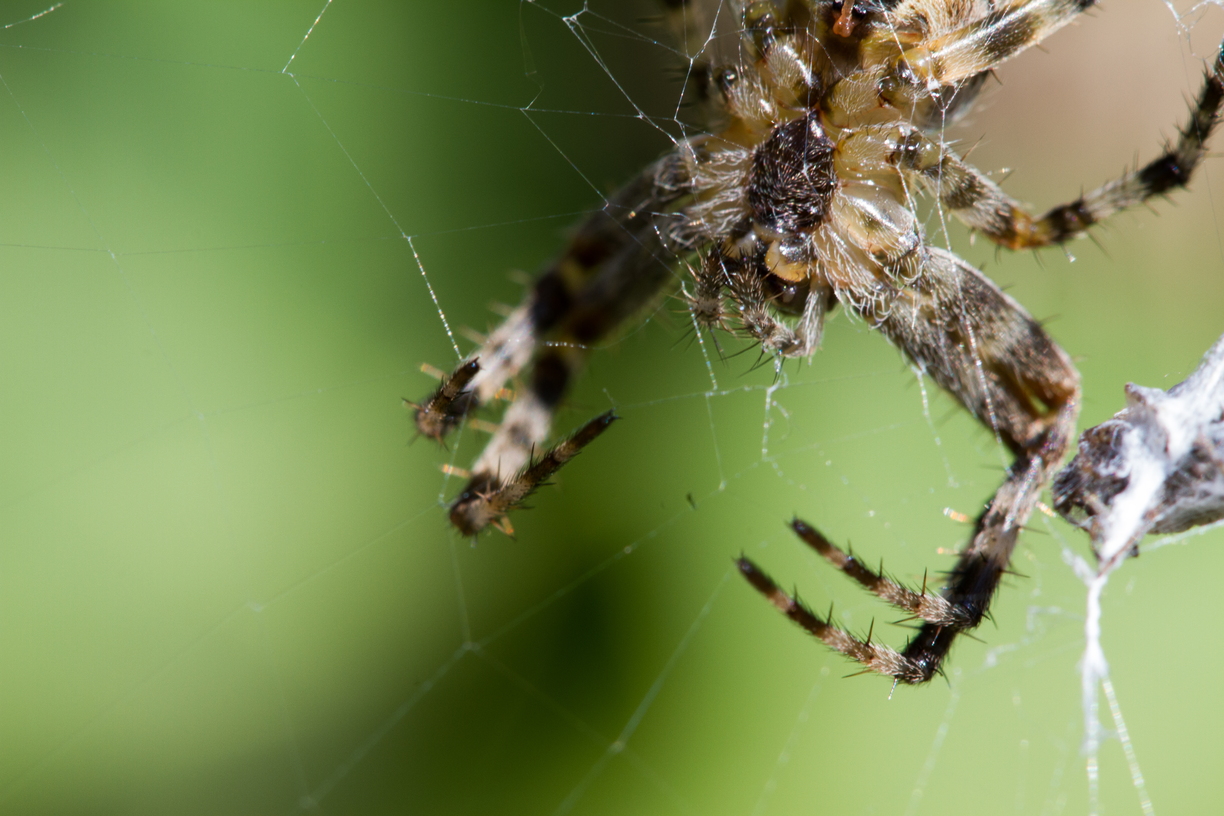
A spider conceals his eyes

We’ve recently undergone a bit of a design review here at Taraji Blue, launching a revised website design. We hope you like it.

Aside from the design changes there are a few wee things to note, namely:

1. You can now share your favourite images on the Taraji Blue website via your social media channels.

2. You can also like, share and tweet about your favourite Taraji Blue photo galleries (…now there’s no excuse not to help spread the word!)

3. Against each photo we have highlighted featured products that are available to buy via our website. You can shop until you drop!

Of course the opportunity to leave comments against galleries and individual photos remains – and is welcomed. We love to hear your feedback. So why not take a look at the updated Taraji Blue website and please do let us know what you think.

My photo of the week: Wary

A close up of a Highland Coo

One of our subjects that never fails to get a reaction is Highland Coos.  I have posted a few of them on google plus and facebook and they always stimulate comments and discussion. That’s why this is my photo of the week.

I adore highland coos! Living in Scotland for 8 years fuelled my passion for these amazing creatures. I had personally named each and every coo I had seen in Stirlingshire and visited them regularly by bike, car and foot… so imagine my delight when my mother-in-law bought a house backing onto a farm with three Highland Coos. I was beside myself with joy!

The first time we stayed over I was up and out in the garden in my PJs, chatting away to the coos over the fence, letting them dribble on me as I crawled under the barbed wire with my camera and getting nettle stings in places you’d never thought imaginable. (That’s how I managed to get a shot at this angle!) My mother in law took pity on me and arranged with the farmer, (her neighbour), that the next time we visit I could give the Coos their spring brush. Cue much excitement!

It was such an amazing experience to get up close and personal with these animals. They simply LOVE being brushed and I loved brushing them. I was completely enthralled and they found it so relaxing – they even fall asleep as you brush them 🙂 What’s more they get quite jealous if one coo is brushed for longer than another. It’s not uncommon to run out or arms and combs as they all jostle for your attention 🙂

Regardless, I did so well that the farmer has allowed me to visit and brush them whenever I like!!! So keep your eyes open for some more Coo close-ups the next time I take a trip to wee bonnie Scotland.

Tips For Successfully Submitting Your Photos to Natural History Magazines

At the 2011 Wild Photos conference we attended a session about submitting photos to natural history magazines. Three panelists each made a presentation and then made themselves available for an additional Q&A session. The panelists were as follows:

Ruth Eichhorn (Germany)
GEO

Kathy Moran (USA)
National Geographic magazine

Sophie Stafford (UK)
BBC Wildlife magazine

Here’s the best bits and top lessons learned:

  • Enter photography competitions from the magazines in question – it gives you visibility and they’ll recognise your name more with each submission.
  • A unanimous top tip was know your publication – you’d be surprised how any people submit blind to a publication. Get to know them (better still, subscribe). Get to know their styles, seasonal preferences and don’t be arrogant enough to request or assume a portfolio as a first submission.
  • Be aware of the competition – it’s a VERY tough market out there.
  • Be aware it’s likely they will ask for exclusivity – each magazine varies in their request so do your homework.
  • Visit their website first – often the submission information is detailed on there. Don’t bombard editors to request answers that are freely available.
  • Submit your images with a brief description / story but don’t go overboard – a good photographer is rarely a good writer.
  • You’re less likely to succeed if your pictures have been published elsewhere first – so give them first option at the story.
  • The editors rely on  photographers to tell them what’s happening in the field – do your homework and send them interesting stories and submissions that capture something new and unusual.
  • Don’t overlook common species captured in an unusual light / with a unusual story.
Also available in our news archive are blogs containing tips for winning submissions to the Veolia Wildlife Photographer of the Year competition and becoming a commercial photographer.
Good luck! I hope this information helps!

Too many orphans

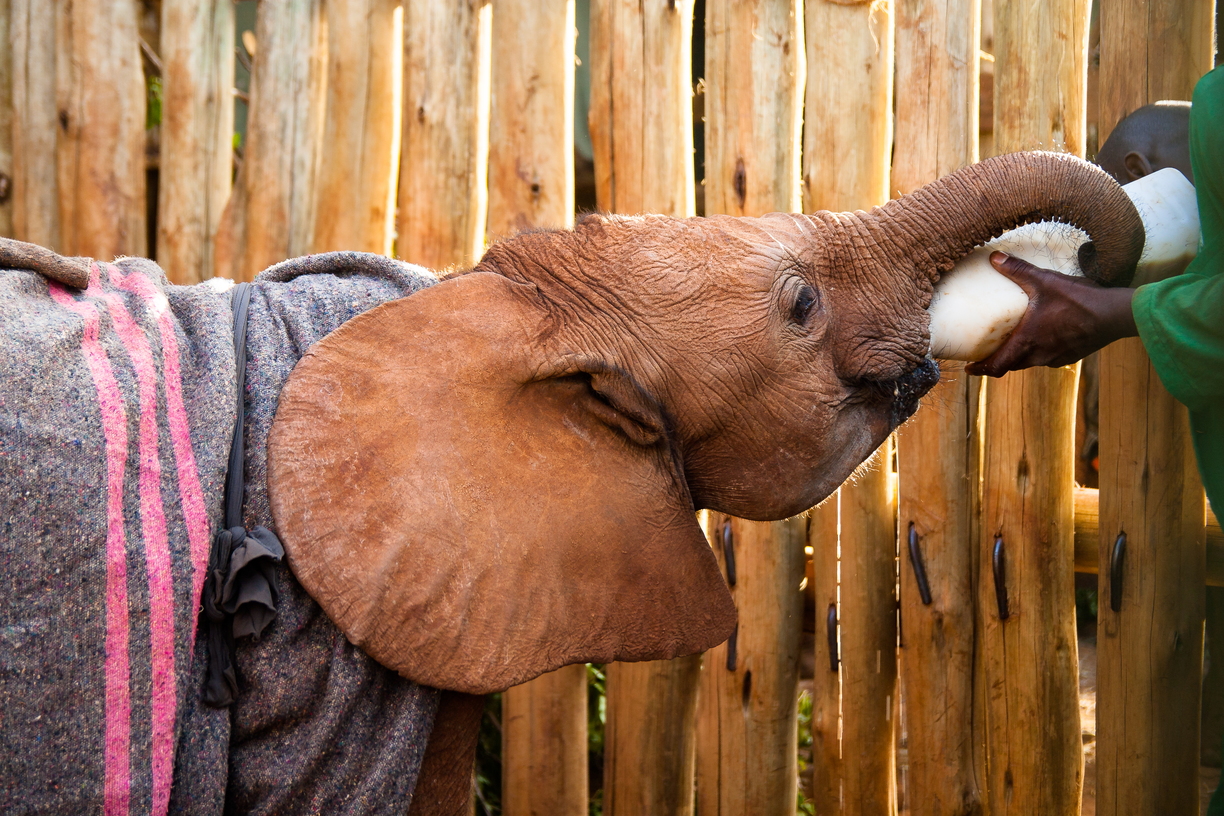
The David Sheldrick Wildlife Trust and its elephant and rhino orphanage in Nairobi is a saviour to the lives of so many elephants who have suffered at the hands of humans and our intervention.

Dedicated to the rescue, rehabilitation, release and conservation of these gentle giants, the orphans project has provided hands on relief for hundreds of suffering elephant orphans. Under the guidance of Dr Dame Daphne Sheldrick, the elephants are rehabilitated in an environment where vetinary experts treat their physical wounds and diagnose broken hearts, and keepers begin the laborious task of teaching elephants to trust humans once more.

It’s heartbreaking yet heart-warming to see the lengths that a group of heroes can go too, to right our wrongs and re-build broken souls. Through soft touch and spoken word, the keepers build a relationship with the orphans that sees them fulfil the role of a surrogate mother. Using little more than baby milk formula and heavy grey woollen blankets to imitate the bulk of a mother elephant, the keepers devote themselves to a life that quite literally has then eating and sleeping with the orphans. A life that visitors may envy. One seemingly uncomplicated, readdressing the balance. But unfortunately it is not always enough. No matter how hard the trust tries, some broken hearts cannot be patched over, wounds won’t heal and some illnesses are overwhelming for such small frames. But the resilience of the keepers and vets to dedicate day after day, night after night to this cause is one that warms the heart of many in the face of such adversity and senseless suffering.

(This is an extract from our book ‘Vulnerable Giants’)

Are You Cut Out To Be A Commercial Photographer?

A lioness roars

At the 2011 Wild Photos conference we had the pleasure of listening to Zoe Wishaw  give some very sound advice for budding commercial photographers.  Here’s some of the key lessons we took away from her speech:

  • Would you be happy with someone manipulating your image? Consider your prized shot of an African lioness – would you be happy if a shampoo ad put a wig on it? Or consider that amazing shot of a leaping Killer Whales – what if a company decided to add a picture of a wee man in boat under the whale? If the though of this thrills you with dread them commercial use of your photos might not be for you.
  • Ignore the story behind the image…in stark contrast to the rest of the speakers, Zoe highlighted how the story is irrelevant for commercial use. The image must stand alone and should not rely on any other picture to qualify it.
  • Go for timeless images – photos that are framed by time, duration or a unique occurance might not have the commercial ‘shelf life’ required.
  • Meta-tag your images with descriptors, adjectives. Don’t just tag a lion as a lion, tag it as powerful, courageous, fierce etc Consider these metaphors and similes when you’re directing and taking your shots. This is what commercial agencies are looking for.
  • Believe it or not, pi- sharpness is not always required (though you will find this a barrier when starting to submit images via stock shot agencies)
  • Be aware how competitive this arena is (i.e  VERY!)
  • If you are good with video, consider video opposed to stills submissions. This is currently a less competitive market, and agencies / film crews / documentary makers are always on the look out for ‘filler’ footage.
This advice is defiantly food for thought and I hope you find it useful. It certainly struck a chord with me! If you’d have asked me before and after the presentation whether I am cut out to be a commercial photographer I’d have give you two very different answers!


Oops, quite the extravagance..

A close up of a fly

Ok, Christmas has come early (very early) in our household. I have been treated to my first ever new DSLR – i.e one that’s not hand-me-down as the hubby upgrades to one with a grip ‘more suited to the male hand’ (…yup, I have heard all the excuses 😉  )

I can hardly complain, the hand-me-downs have caused me to fall head over heels in love with photography and have driven a passion in me for better and more technically excellent shots which has resulted in us travelling the world over the past ten years. However, after years of using the (quite excellent) 30D and 40D, I was flabbergasted when I got my hands on the hubby’s Canon 7D for the macro challenge (see above). For a start, the quality of the LCD screen is spectacular vs the 40D. The image clarity and colours are much more accurate – as is the sharpness. I dread to think how many good images I have deleted over the years from viewing them on the 40D LCD screen.

What’s more, our trip to the Arctic was a startling revelation. My hours and hours spent with a reasonably high spec HD video camera were reduced to C-grade shots vs the HD video quality of the Canon 7D. It’s more than apparent in the video once rendered – the 7D video is superior and very desirable. What’s more the ability to switch from video to stills whilst shooting is more than a little handy when out in the field.

I am also led to believe that entire episodes of House are being filmed on 5D and 7Ds now in America?!

The quality of the end shot is also improved – 18 megapixels on the 7D compared to 10 megapixels on the 40D.

The downsides to this upgrade (financial commitment aside)…

a) the physically sharp 7D eyepiece hurts like heck! It causes sores above my eyebrows (I will be ‘manning up’ or replacing that if I can! That is, unless my hubby’s camera is the only one ‘blessed’ with this unique feature).

b) I have discovered that the LCD screen for the 7D overheats after 2 hours of continual video and still usage  in 31 degree heat…..but my solution is to visit the polar regions more……after all, I never did like warm climates  😉 And how often will I really spent 5 hours stalking spiders in the Loire Valley? (Answers on a postcard!)

Regardless, I cannot wait to get my hands on my very own 7D (and the 100-400L lens that is being declared ‘mine’ with it 😉 ) Watch this space – I’m going out and about this weekend and I’m aiming to prove the investment was worth it!

Happy Halloween!

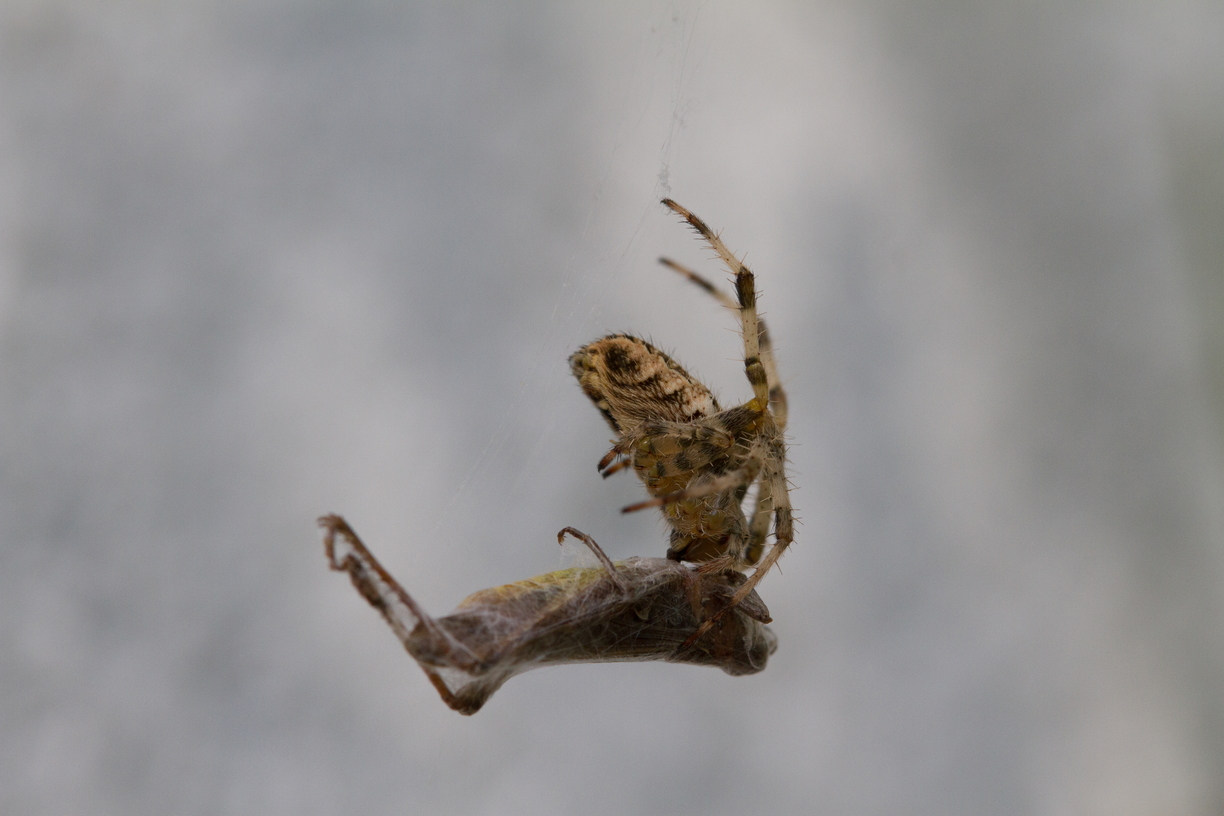
A blood sucking spider

Happy Halloween to all. I thought I’d celebrate this occasion by sharing our top 5 most spine-tingling photos….

Allow me to introduce…

a) The vampire (blood sucking) spider (above)

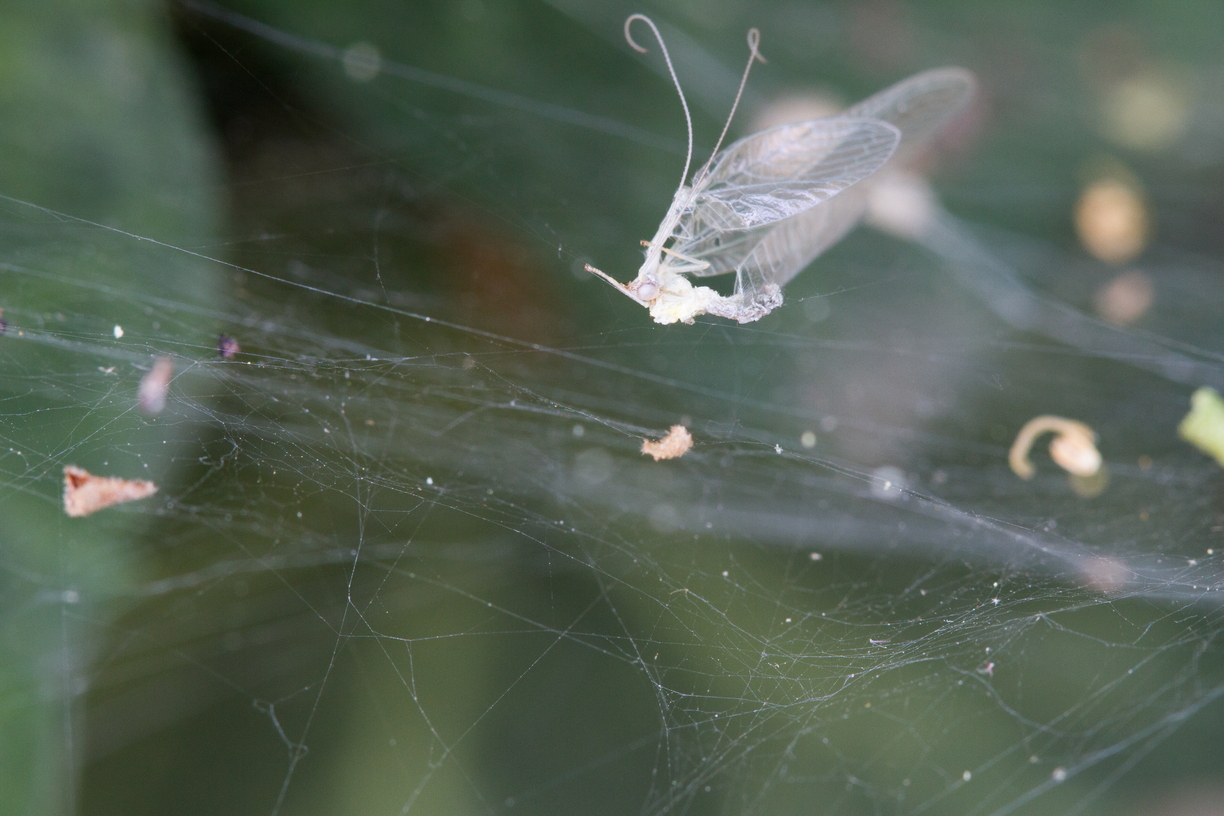
b) The skeleton of a fly atop a spider’s web (below)

c) Cheetahs prey on a petrified gazelle (below)

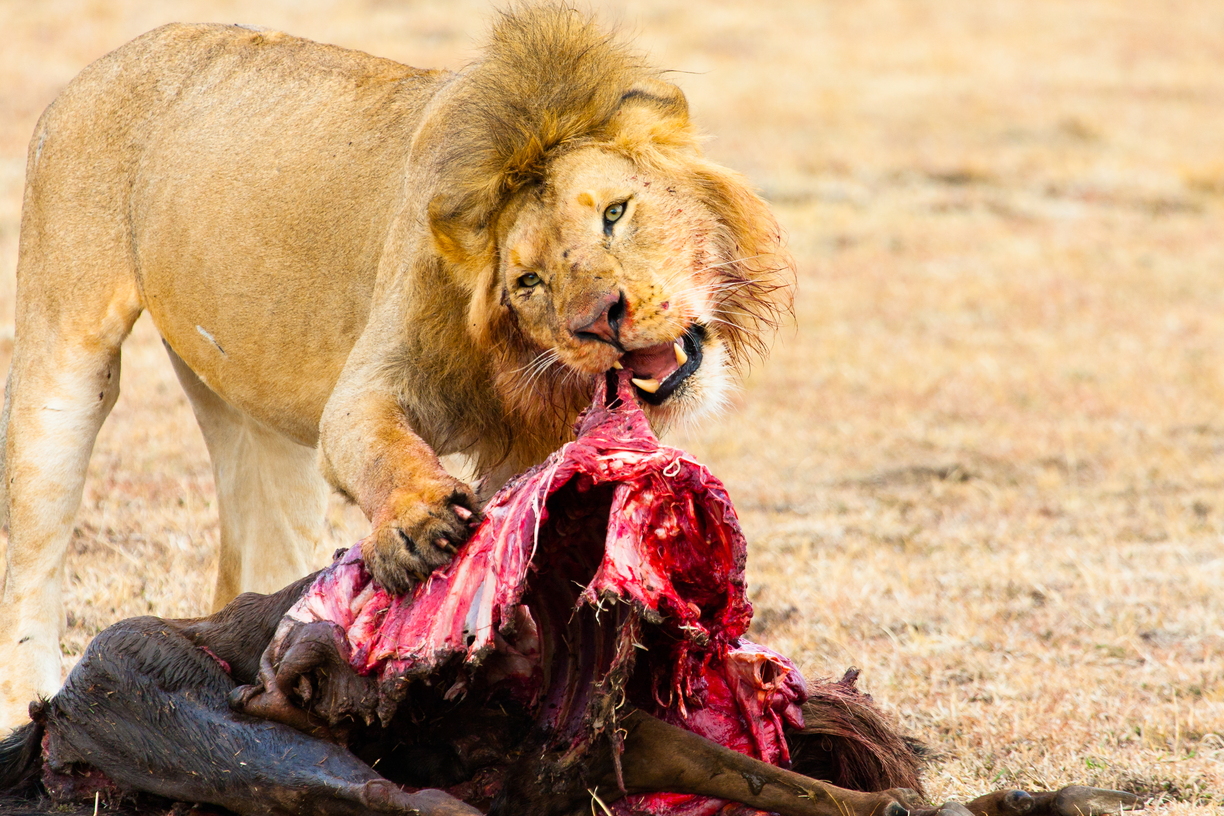
d) A male lion feasts on a carcass (below)

e) The inside of a sheep skull (below)

The skeleton of an insect atop a spider's web

Cheetahs prey on a tiny gazelle

A lion feasts on a carcass

Inside a sheep skull