Home

Family Ties (Memories of the Maasai Mara Series)

A Herd of Elephants
A herd of elephants

It’s often suggested that mankind cannot and should not use human emotions to interpret the actions of animals, but we watched herds of elephants as they displayed naturally maternal actions towards their young.

They nurtured and loved those younger and smaller than themselves, ensuring that the young were protected, observed and cared for at all times. From the gentle touch of trunk to trunk, to the youngest’s consistent grip on their tails, their emotions manifested themself in behaviour which can only be described as loving.

The most important thing in the world to a baby elephant is its mother and its extended family.

Elephants share with us humans many traits – the same span of life, and they develop at a parallel pace so that at any given age a baby elephant duplicates its human counterpart, reaching adulthood at the age of twenty. Elephants also display many of the attributes of humans as well as some of the failings. They share with us a strong sense of family and death and they feel many of the same emotions.

They also have many additional attributes we humans lack: incredible long range infrasound, communication in voices we never hear, such sophisticated hearing that even a footfall is heard far away, and of course they have a memory that far surpasses ours and spans a lifetime. They grieve deeply for lost loved ones, even shedding tears and suffering depression. They have a sense of compassion that projects beyond their own kind and sometimes extends to others in distress. They help one another in adversity, miss an absent loved one, and when you know them really well, you can see that they even smile when having fun and are happy*.

(* Elephant Emotion. Daphne Sheldrick D.B.E.: 1992 UNEP Global 500 Laureate)

This post is the 10th in the series “Memories of the Maasai Mara” and is an extract from the Taraji Blue book “Memories of the Maasai Mara” …

Ever since our first visit to Kenya in 2005 we’d fallen in love with the continent and had longed to return. For four years we’d played our Africa CDs daily and viewed our photos longingly, anticipating the day we would return. Back in 2009 we had our chance…

Each morning we bounded out of our beds and into the wilderness, eager and hopeful of what the day would bring. We owe much of our success to the fantastic guides and staff of the Kicheche Bush Camp, Mara Safari Club and David Sheldrick Wildlife Trust, who we cannot praise enough and to whom we long to return.

It is through our experiences and time in Kenya that we tell, and re-live, our memories of this amazing continent, and above all, of the Maasai Mara.

New Life

Over the last year I have really become quite taken with capturing the emergence of new life in photography – primarily through macro photography and a growing fascination with flower buds.

Here’s some of my favorites… All these images have been taken in the UK, as a result of scouring the forest floors, hedgerows and gardens throughout England.

A flower bud emerges

A flower bud

A flower bud

A Daisy Awakens

Flowers emerging

More photos of flowers are available in the TarajiBlue macro gallery.

The Hunt – Foregone Conclusion (Memories of the Maasai Mara Series)

A cheetah mother faces a significant challenge in raising her young. Not only does she need to provide for them and equip them with the skills required to survive, she also needs to protect her young amongst the vast open plains of Kenya and the predators within.

With many mouths to feed, she is under constant pressure to deliver. By sharing her hunting skills with her young she can provide her family with the best opportunity for survival and optimise their chances of reaching adulthood.

A cheetah stun a fawn

Once the mother has stunned the prey, the cubs have to finalise the kill. Often the prey escapes, leaving the young cheetahs temporarily bewildered. A chase ensues, which provides the ideal opportunity for the young cheetahs to practice hunting.

We watched, and after several unsuccessful attempts to maim the prey, the mother stepped in to finish the kill.

A cheetah kill a fawn

After capturing the prey, the cheetah family dive in for the feast. The mother and cubs are temporarily relieved of their hunger, but this is little more than a snack for these youngsters. Shortly after the children finished eating and were groomed, the mother commenced the hunt once more.

This post is the 9th in the series “Memories of the Maasai Mara” and is an extract from the Taraji Blue book “Memories of the Maasai Mara” …

Ever since our first visit to Kenya in 2005 we’d fallen in love with the continent and had longed to return. For four years we’d played our Africa CDs daily and viewed our photos longingly, anticipating the day we would return. Back in 2009 we had our chance…

Each morning we bounded out of our beds and into the wilderness, eager and hopeful of what the day would bring. We owe much of our success to the fantastic guides and staff of the Kicheche Bush Camp, Mara Safari Club and David Sheldrick Wildlife Trust, who we cannot praise enough and to whom we long to return.

It is through our experiences and time in Kenya that we tell, and re-live, our memories of this amazing continent, and above all, of the Maasai Mara.

The Great TarajiBlue Pub Quiz, Part 2. Did You Know…

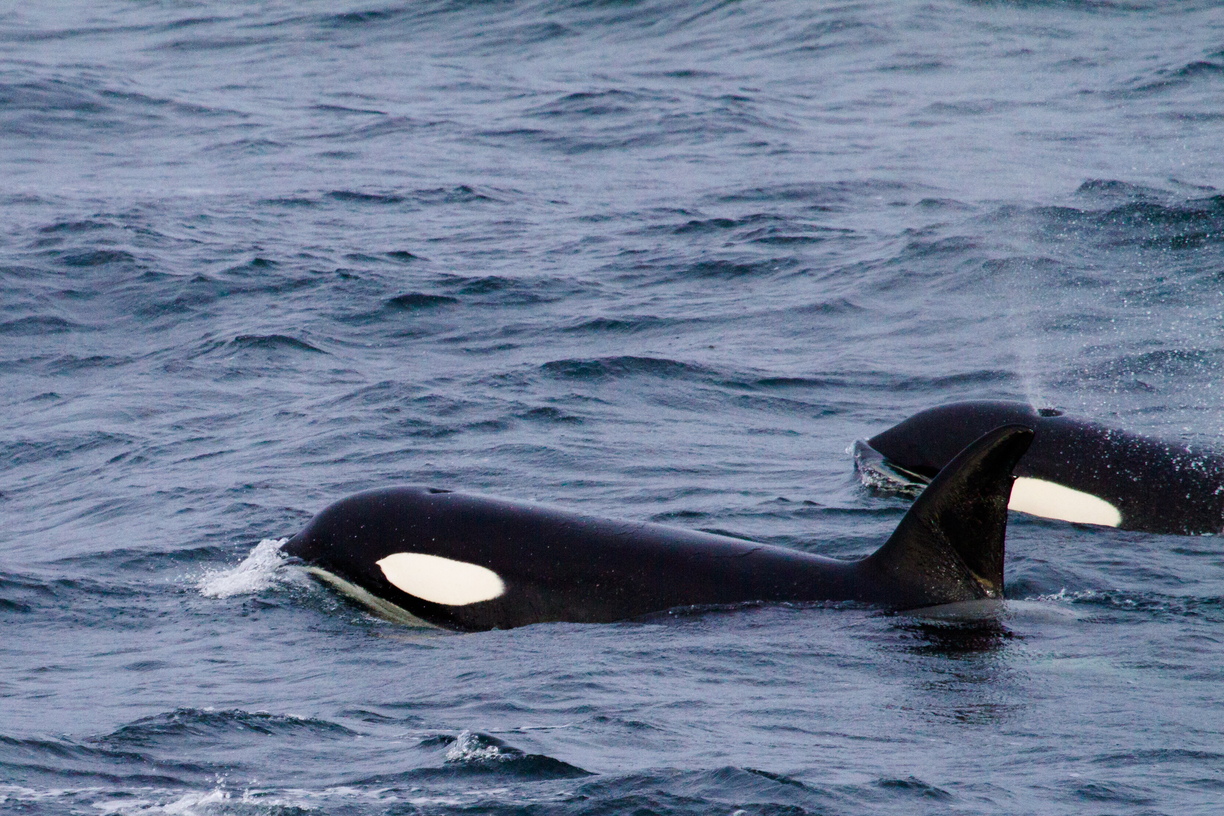
1. Orcas are actually dolphins.

Orca Pair Blow

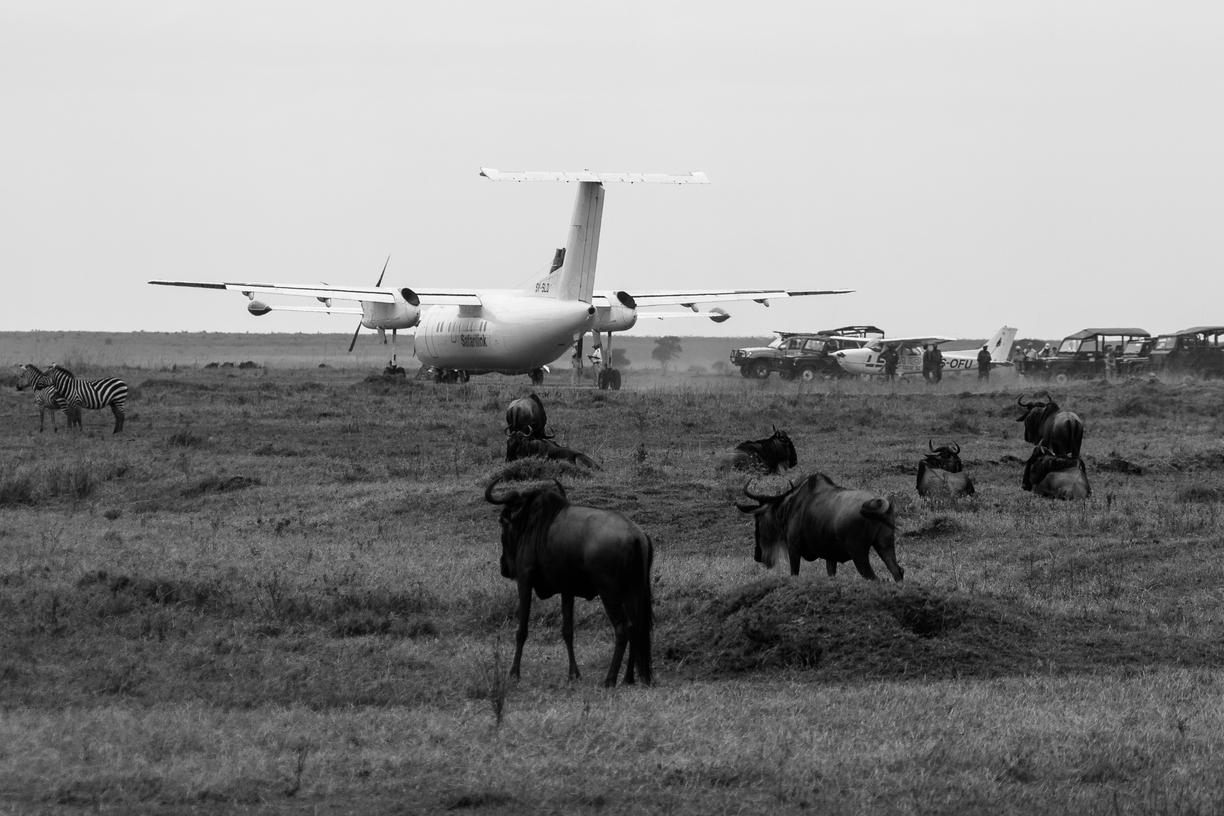
2. The Great Wildebeest Migration is one of the “Seven New Wonders of the World”.

Wildebeest panic

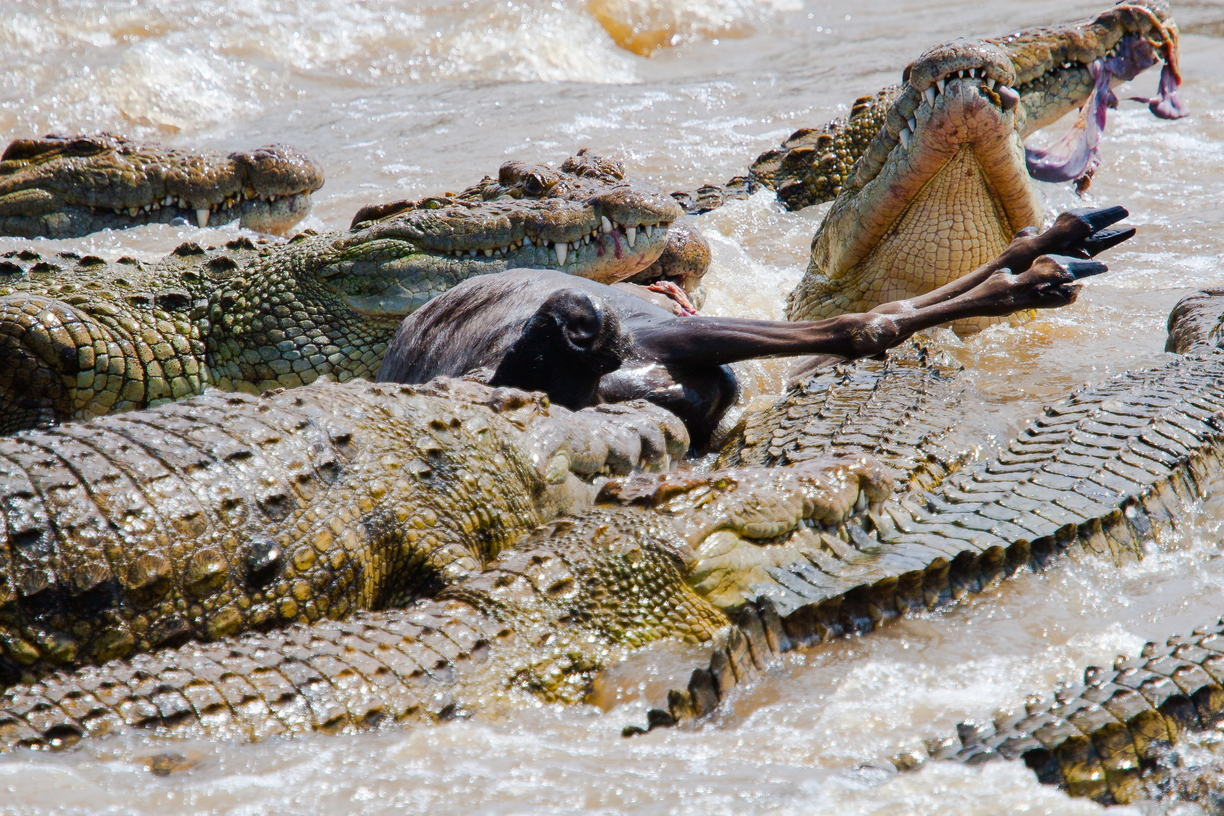
3.  Because of their tiny wee arms, crocodiles struggle to bite their prey into bite-sized pieces. They therefore grab the prey with their enormous jaws and twist their own bodies round and round until the prey rips in two.

Crocodile feast on wildebeest

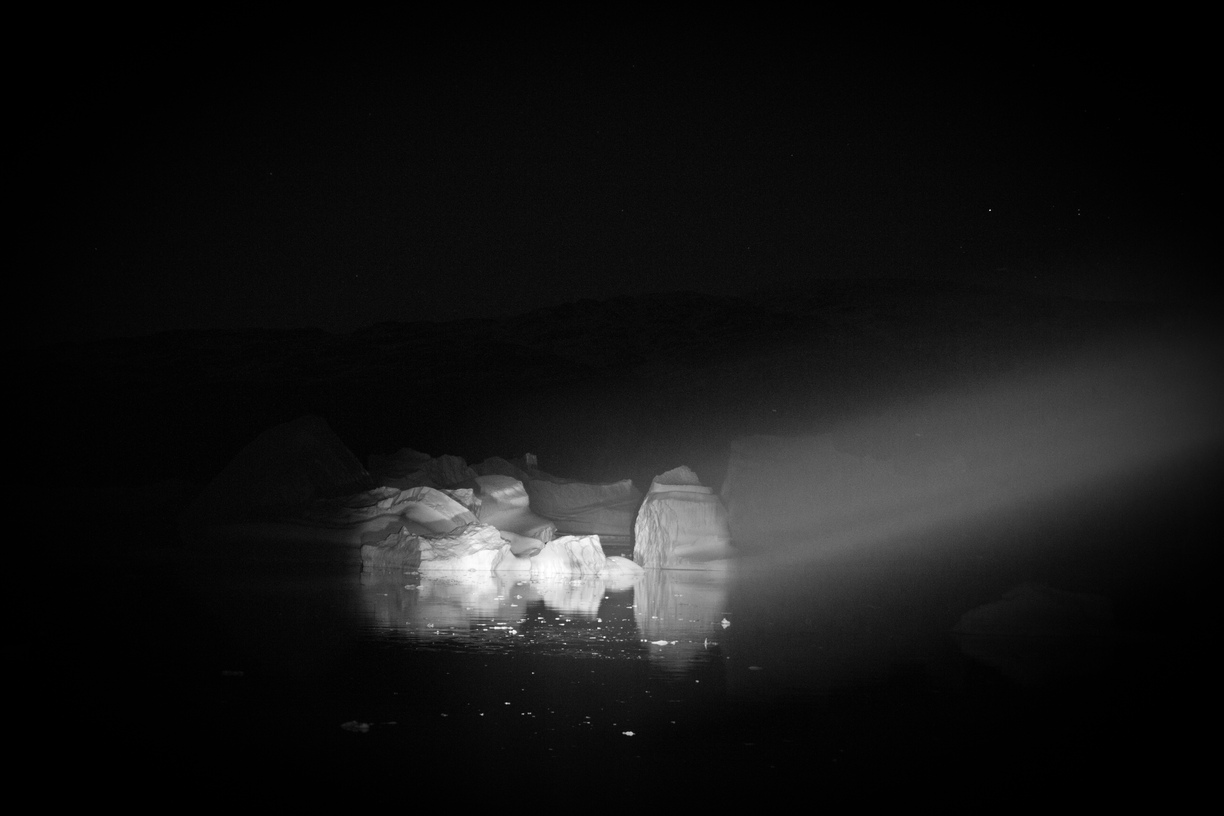
4. The Northern Lights (Aurora Borealis) are created as a result electrical tornadoes hurtling towards Earth, coming into contact with the ionosphere, one of the upper layers of the atmosphere.

The Northern Lights in Greenland

5. The Teracotta Army was discovered in 1974  by some local farmers in Xi’an, Shaanxi province, China.

The Teracotta Army

Do NOT Anger My Mum (Memories of the Maasai Mara Series)

Lioness basking

The gaze of a mother lioness can be immediately translated. The compassion seen in the eyes is matched with a stare that catches your soul and communicates a strength of character. Here the mother displays a ‘do not disturb’ attitude which can deter an approach by many predators.

Any approach toward the lioness and her family will almost certainly unleash her brute force if she feels the livelihood of her cubs are threatened. The blood curdling roar of a mother lioness will stay with you forever.

Intention

This post is the 8th in the series “Memories of the Maasai Mara” and is an extract from the Taraji Blue book “Memories of the Maasai Mara” …

Privileged to spend eight nights in the Maasai Mara in October 2009, we relished the opportunity to revisit our land of dreams.

Ever since our first visit to Kenya in 2005 we’d fallen in love with the continent and had longed to return. For four years we’d played our Africa CDs daily and viewed our photos longingly, anticipating the day we would return. Back in 2009 we had our chance…

Each morning we bounded out of our beds and into the wilderness, eager and hopeful of what the day would bring. We owe much of our success to the fantastic guides and staff of the Kicheche Bush Camp, Mara Safari Club and David Sheldrick Wildlife Trust, who we cannot praise enough and to whom we long to return.

It is through our experiences and time in Kenya that we tell, and re-live, our memories of this amazing continent, and above all, of the Maasai Mara.

Win Pub Quizzes with TarajiBlue’s ‘did you know’… (part 1)

Here’s a selection of fascinating facts TarajiBlue have recently discovered…

1. All forms of sea ice are named after food.

There is ‘grease ice’ – named because it leaves a fine, greasy looking film on the sea.

Then there is porridge ice. Known for its sticky,lumpy and gloopy nature.

Then there is pancake ice – so named because it forms beautiful disks of ice with curled up edges (see below).

Pancake Ice Forming in Scoresbysund

2. Sir David Attenborough cannot drive.

3.  Hoverflies have hairy eyes. (see below)

A Hoverfly's hairy eyes

4. Between March and May in the Arctic, sea ice covering an area the size of 500 football pitches freezes each second! (fact courtesy of Doug Allan http://dougallan.com/)

Ice formation in Greenland

5. Before they copulate, damselflies, spend some considerable time in physical contact with one another, presumably in an effort to assess their potential mate. This physical contact is made by the male clasping the female’s thorax with the four terminal appendages on the end of his abdomen. (see below)

Damselflies mating


I Have Seen Tomorrow

I Have Seen Tomorrow

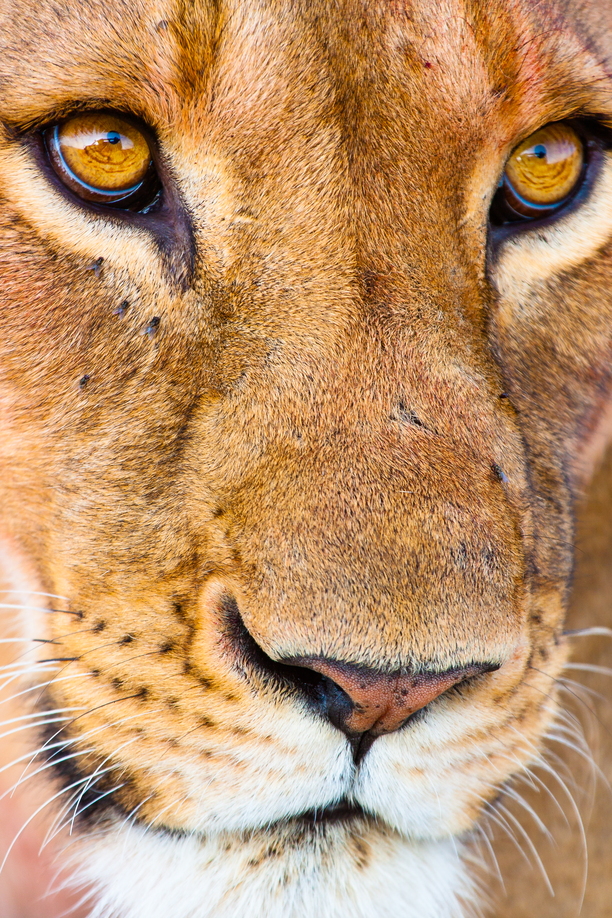
We went to a talk by Doug Allan (one of the key BBC cameramen for Planet Earth etc) last night in Manchester and he pointed out how humbling it is to stare in another animal’s eyes, and interestingly that *we* are usually the ones to break away (if you’re single or a man, you know what I mean) – a silverback gorilla stares at you, and you look away until you feel enough time has elapsed that you’re settled internally and can build up confidence / reduce fear to maintain eye contact.

Once you get there, you bristle from head to toe with emotion. You settle into a trance, you watch the tiny movements, you try so hard to *keep* the contact and not let your partner drift away; you flirt, in a way. Sometimes – sometimes – you even stop firing the shutter.

As you’d expect, the experience is better in smaller groups, ideally pairs, ideally alone, ideally without a vehicle or other obstacles, just you, the wildlife, and a bottle of Château Pétrus. It doesn’t – perhaps shouldn’t – be a lion, perhaps better not since lion are often asleep and uninteresting to watch. But find their eyes, don’t be afraid to lock gaze, and see what you feel.

(Make what you wish of the title.) This is the whole image as captured, no crop. Fair enough it’s at 400mm on APS-C; according to the image details this means the distance from the lioness is 3.8m. (is this a new thing in Windows 8?) That sounds about right. She was in the shadow of the vehicle for much of the time, so pretty close.

And Here’s Some I Made Earlier…

I have been catching up post processing a backlog of my macro photography shots recently – and here’s a pick of the bunch. I hope you like them…

This image (below) was taken in the garden of a rental cottage in Wales over the summer…well, I say summer, but it rained like mad all weekend. Still – this delighted me somewhat, because it provided a rare opportunity for me to spend time in the garden photographing water droplets on plants like this one.

Looking into the centre of a delicate flower

These  images, below, were taken on summer weekend at The University of York’s Heslington East campus.

The first is a beautiful blue wildflower – this really caught my eye. I loved the vibrancy of the blue colour against a sea of green grasses and flowers.

A Blue Wildflower

It was not only me who really appreciated the beauty and vibrancy of this flower, it was visited by many a bee, wasp and hover fly whilst I was there. Whilst the insects in this shot are not as sharp as I’d like, I have chosen to share this image because I love the contrast of the movement and soft lines of the insects against the striking sharpness and vibrancy of the flower stamen.

Insects visit a blue wildflower

This summer’s meadow really caught my eyes. It was a striking array of wildflowers in every colour imaginable. You can immediately see why the place was literally crawling with insects – it must be a paradise for them.

And finally, we lurked around a small pond for a few hours until it started to pour it down.  We were lucky enough to find these two canoodling damselflies.

Two damselflies mating

More macro photography photos are available in the TarajiBlue macro gallery.


Do As Mum Does (Memories of the Maasai Mara Series)

cubs practice stalking on their mother

At the break of dawn the mother returned with her cubs to the carcass of the wildebeest slaughtered just hours before.  As she dragged the carcass across the plains, the cubs preyed, pounced and stalked. The mother, somewhat wearily, encouraged the cubs, eager for them to improve their skills. Her patience, however, wore a little thin as the cubs stopped stalking the carcass and focussed their attention on her. Pouncing on her rear and neck they practiced capturing and suffocating prey – just as they have seen her do.

Cubs practice stalking their mother

This post is the seventh in the series “Memories of the Maasai Mara” and is an extract from the Taraji Blue book “Memories of the Maasai Mara” …

Privileged to spend eight nights in the Maasai Mara in October 2009, we relished the opportunity to revisit our land of dreams.

Ever since our first visit to Kenya in 2005 we’d fallen in love with the continent and had longed to return. For four years we’d played our Africa CDs daily and viewed our photos longingly, anticipating the day we would return. Back in 2009 we had our chance…

Each morning we bounded out of our beds and into the wilderness, eager and hopeful of what the day would bring. We owe much of our success to the fantastic guides and staff of the Kicheche Bush Camp, Mara Safari Club and David Sheldrick Wildlife Trust, who we cannot praise enough and to whom we long to return.

It is through our experiences and time in Kenya that we tell, and re-live, our memories of this amazing continent, and above all, of the Maasai Mara.